
 EN
 AR
 HR
 CS
 DA
 NL
 FI
 FR
 DE
 EL
 HI
 IT
 JA
 KO
 NO
 PL
 PT
 RO
 RU
 ES
 SV
 TL
 ID
 LV
 LT
 SR
 SK
 UK
 VI
 SQ
 ET
 HU
 MT
 TH
 TR
 FA
 MS
 BE
 IS
 BN

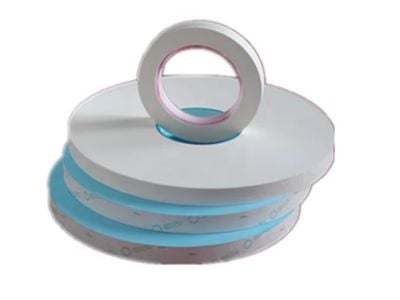
High-speed machine compatible inner frame supplies are essential components in various industrial applications, particularly in manufacturing settings that prioritize efficiency and precision. These supplies play a crucial role in ensuring that high-speed machines operate smoothly, reducing downtime and enhancing productivity. For B2B buyers such as purchasing managers, engineers, and product managers, the main concerns include product compatibility, quality assurance, and sourcing reliable suppliers. This article will guide you through the critical aspects of selecting and sourcing inner frame supplies like Acetate tow that meet your operational needs.
How to Choose the Right Inner Frame Supplies for High-Speed Machines?
Choosing the right inner frame supplies for high-speed machines involves several considerations. First, assess the specific requirements of your machinery, including dimensions, speed ratings, and load capacities. It's vital to ensure that the inner frame is compatible with your equipment to avoid operational inefficiencies.
Next, consider the material composition of the inner frame supplies. Common materials include plastics, metals, and composites, each offering unique benefits. For example, plastic frames may be lightweight and corrosion-resistant, while metal frames with Tipping paper could provide enhanced durability and strength. Evaluate the environmental conditions, such as exposure to moisture or chemicals, to select the most suitable material.
Finally, customization options should be explored based on your unique operational requirements. A supplier with robust manufacturing capabilities, like Fancyco, can create tailor-made solutions that align with your production processes. Customization may involve specific dimensions, weight specifications, or even unique design features to enhance machine performance.
What to Look for in Inner Frame Supplies?
When evaluating inner frame supplies, several key characteristics should be prioritized:
Specifications: Confirm the dimensions and weight tolerance of the inner frame supplies to ensure they meet your machine's requirements. An incorrect size can lead to operational inefficiencies or even equipment damage.
Material Properties: Assess the materials used in the frame's construction. For instance, high-temperature environments may necessitate heat-resistant materials, while chemical exposure might require corrosion-resistant options.
Manufacturing Quality: Look for suppliers with stringent quality control processes. Certifications and testing results can provide assurance that the products meet industry standards.
Production Capacity: Ensure that the supplier can meet your demand, especially if you require large quantities or rapid turnaround times. Understanding the minimum order quantity (MOQ) is also essential for planning your inventory needs.
Customization Capabilities: Determine if the supplier can offer customization options. This can include variations in size, color, or material, enabling you to tailor the products to your specific applications.
Where to Source Reliable Inner Frame Supplies for Wholesale Needs?
Sourcing reliable inner frame supplies for wholesale needs can be achieved through several avenues:
Direct Manufacturers: Partnering with manufacturers like Fancyco can provide access to high-quality products at competitive prices. Direct relationships can often facilitate better communication, customization options, and lead times.
Industry Trade Shows: Attending industry trade shows can offer opportunities to meet multiple suppliers, compare products, and gain insights into market trends. This face-to-face interaction can also help build relationships and trust with potential suppliers.
Online Marketplaces: Online B2B marketplaces can be a valuable resource for finding suppliers. Look for platforms that feature user reviews, product specifications, and supplier ratings to make informed decisions.
Networking and Referrals: Utilize industry contacts and networks to gather recommendations for reliable suppliers. Word-of-mouth referrals can often lead to trustworthy partnerships.
Quality Certifications: Ensure that potential suppliers hold relevant quality certifications, which can serve as a benchmark for product reliability and consistency. Always request product samples to evaluate quality before making bulk purchases.
Applications of Inner Frame Supplies in Various Manufacturing Settings
Inner frame supplies have diverse applications across manufacturing sectors. Here are a few examples:
Packaging Machinery: In high-speed packaging lines, inner frames provide structural support and alignment for various components. Their stability is essential for maintaining precision during high-speed operations.
Automotive Industry: In automotive assembly processes, inner frames are used to support machinery that assembles components quickly and efficiently, ensuring that production lines remain operational without delays.
Food and Beverage Processing: Inner frames that meet hygiene standards are vital in food processing applications. They must be made from materials that can withstand cleaning processes while maintaining their structural integrity.
Electronics Manufacturing: In the electronics sector, inner frame supplies must support delicate machinery without introducing vibrations or misalignments that could affect product quality.
Textile Production: High-speed weaving and sewing machines rely on inner frames with Tear tape to maintain alignment and reduce friction, which enhances fabric quality and production speed.
Comparing Inner Frame Supply Options for Efficient Project Purchases
When comparing inner frame supply options, consider the following factors to make efficient purchasing decisions:
Cost Analysis: Evaluate not only the unit price but also the total cost of ownership. This includes shipping costs, potential tariffs, and any additional fees associated with customization.
Lead Times: Assess the time it will take to receive the supplies, especially if you are on a tight production schedule. Understanding the supplier's production capabilities can help you gauge lead times accurately.
Product Performance: Review product specifications and performance data to ensure that the supplies will meet your operational needs. It may also be beneficial to conduct trial runs or request samples before committing to larger orders.
Supplier Reliability: Investigate the supplier's reputation within the industry. Look for testimonials or case studies that demonstrate their ability to deliver quality products consistently.
Support and Communication: Strong communication with your supplier can facilitate smoother transactions and better problem-solving. Choose suppliers who are responsive and willing to provide support throughout the purchasing process.
By taking these factors into account, purchasing managers and other decision-makers can streamline their sourcing processes and ensure they select the most suitable inner frame supplies for their specific applications.
Table of Contents
- How to Choose the Right Inner Frame Supplies for High-Speed Machines?
- What to Look for in Inner Frame Supplies?
- Where to Source Reliable Inner Frame Supplies for Wholesale Needs?
- Applications of Inner Frame Supplies in Various Manufacturing Settings
- Comparing Inner Frame Supply Options for Efficient Project Purchases