
 EN
 AR
 HR
 CS
 DA
 NL
 FI
 FR
 DE
 EL
 HI
 IT
 JA
 KO
 NO
 PL
 PT
 RO
 RU
 ES
 SV
 TL
 ID
 LV
 LT
 SR
 SK
 UK
 VI
 SQ
 ET
 HU
 MT
 TH
 TR
 FA
 MS
 BE
 IS
 BN

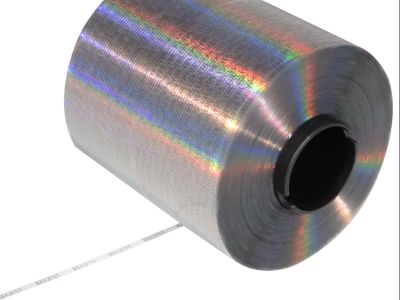
Pressure-sensitive tear tape is an essential material for fast machine lines, providing a reliable sealing solution that enhances productivity and efficiency. B2B buyers often seek high-quality options that meet specific application needs, such as adhesion strength, material durability, and ease of installation. This article aims to guide purchasing managers and engineers through key considerations when selecting pressure-sensitive tear tape, including specifications, quality evaluation, common installation issues, applications in machine operations, and effective comparison strategies.
Understanding Specifications for Pressure-Sensitive Tear Tape Products
When selecting pressure-sensitive tear tape, understanding its specifications is crucial. Key specifications include thickness, adhesive type, backing material, and width.
Thickness affects the tape's durability and its ability to withstand stress during application. Thicker Tear tape may offer better protection against tears but can be less flexible.
Adhesive type plays a significant role in performance. Different adhesives provide varying levels of tackiness and temperature resistance, which is vital for applications that involve exposure to heat or moisture.
Backing material should be selected based on the intended use. For instance, a polypropylene backing is often used for its resistance to moisture and chemicals, making it suitable for industrial settings.
Width and length requirements depend on the specific machinery and packaging processes involved. Custom dimensions may be necessary to fit specific applications.
Buyers should ensure that the specifications align with their operational needs and consider any adjustments that may be required during the installation phase.
Evaluating Quality in Pressure-Sensitive Tear Tape for Machine Lines
Quality evaluation is essential when sourcing pressure-sensitive tear tape. Factors to consider include the manufacturing process, material integrity, and consistency in production.
Manufacturing process: A reliable manufacturer should maintain strict quality control throughout production. Look for companies with established processes that minimize defects and ensure product consistency, such as Fancyco, known for its commitment to high standards.
Material integrity: The materials used in the Tipping paper should be tested for performance under expected operating conditions. Buyers should inquire about the source of materials and any testing protocols in place.
Consistency: Variability in product quality can lead to operational inefficiencies. Buyers should request samples before placing large orders to assess adhesion properties and overall performance.
Implementing a robust quality inspection process before mass production can help mitigate potential issues and ensure that the final product meets expectations.
Common Installation Problems with Pressure-Sensitive Tear Tape Solutions
Even the best pressure-sensitive tear tape can lead to installation challenges. Common issues include improper alignment, inadequate surface preparation, and environmental conditions affecting adhesion.
Improper alignment: Misalignment during application can result in weak seals. It is essential to train staff on proper installation techniques and to use guides when applying the tape.
Surface preparation: The surface to which the tape is applied must be clean and dry. Contaminants such as dust, oil, or moisture can compromise adhesion. Conducting a thorough cleaning process can prevent these issues.
Environmental conditions: Temperature and humidity can significantly impact the performance of pressure-sensitive tapes. Ensure that the application environment aligns with the tape's specifications. If the application occurs in extreme conditions, consider tapes designed for such scenarios.
Addressing these common problems proactively can lead to smoother operations and better product performance.
Applications of Pressure-Sensitive Tear Tape in Fast Machine Operations
Pressure-sensitive tear tape finds applications across various fast machine operations, ranging from packaging to assembly lines. Its versatility is key in industries such as food and beverage, pharmaceuticals, and electronics.
Packaging: In high-speed packaging environments, tear tape is used to seal boxes and bags efficiently. Its quick-release properties facilitate easy opening for consumers while maintaining a secure seal during distribution.
Assembly: In assembly lines, tear tape can be employed to hold components together temporarily or provide a secure bond in final assembly. Its ease of application makes it ideal for fast-paced production settings.
Labeling: In some cases, pressure-sensitive tear tape is used for labeling products, providing a simple and effective way to apply labels during high-speed operations.
Understanding the specific applications can help buyers select the right type of Plug wrapping paper that meets their operational requirements.
How to Compare Different Pressure-Sensitive Tear Tape Options Effectively?
When comparing different pressure-sensitive tear tape options, it is important to analyze several critical factors that influence performance and cost-effectiveness.
Performance characteristics: Evaluate the adhesion strength, temperature resistance, and water resistance of various tapes. This can be done by reviewing technical data sheets provided by manufacturers.
Price vs. quality: While it may be tempting to opt for the lowest-priced option, it is important to consider the total cost of ownership. A higher-quality tape may reduce downtime and operational issues, ultimately saving costs in the long run.
Customization capabilities: Some suppliers offer customization options, such as specific lengths, widths, or adhesive types tailored to unique applications. Assess whether the manufacturer can meet these needs.
Lead times and MOQ: Understand the lead times for production and any minimum order quantities (MOQ) that may apply. This is particularly important for companies with just-in-time inventory systems.
By carefully comparing these factors, buyers can make informed decisions that align with their operational goals and budget constraints.
Table of Contents
- Understanding Specifications for Pressure-Sensitive Tear Tape Products
- Evaluating Quality in Pressure-Sensitive Tear Tape for Machine Lines
- Common Installation Problems with Pressure-Sensitive Tear Tape Solutions
- Applications of Pressure-Sensitive Tear Tape in Fast Machine Operations
- How to Compare Different Pressure-Sensitive Tear Tape Options Effectively?