
 EN
 AR
 HR
 CS
 DA
 NL
 FI
 FR
 DE
 EL
 HI
 IT
 JA
 KO
 NO
 PL
 PT
 RO
 RU
 ES
 SV
 TL
 ID
 LV
 LT
 SR
 SK
 UK
 VI
 SQ
 ET
 HU
 MT
 TH
 TR
 FA
 MS
 BE
 IS
 BN

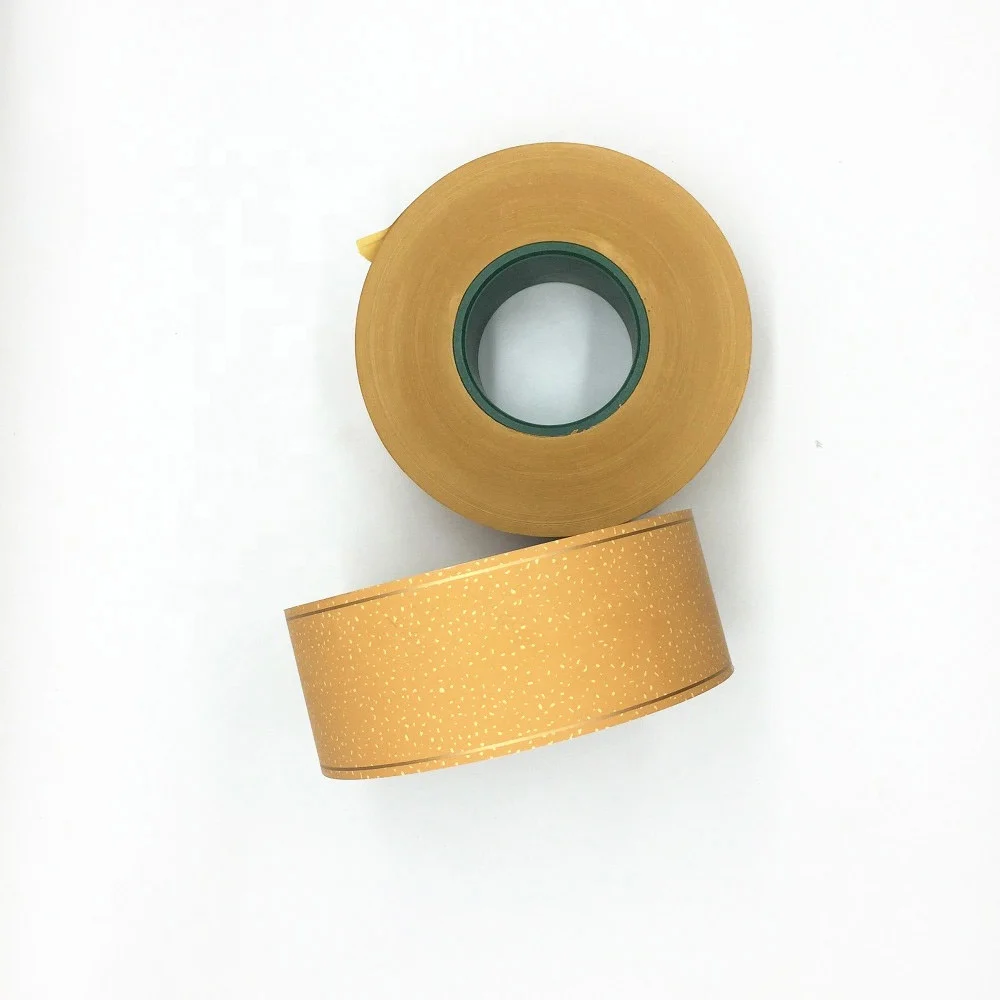
Custom printed tipping paper for cigarette brands serves as a crucial component in the cigarette manufacturing process, enhancing brand identity while ensuring a smooth consumer experience. As a B2B buyer, your primary concerns likely revolve around sourcing high-quality materials that meet regulatory standards, align with your branding requirements, and ensure consistent performance during production. This article will address key considerations when sourcing tipping paper, evaluating its quality, understanding bulk order options, resolving common issues, and exploring its applications within the cigarette industry.
What to Consider When Sourcing Custom Printed Tipping Paper
When sourcing custom printed tipping paper, several factors must be taken into account to ensure it meets your needs. Firstly, the choice of materials is paramount. Tipping paper is typically made from a blend of cellulose and other materials that provide the necessary barrier properties and adhesion for cigarette production. Evaluate the thickness and weight of the paper, as these attributes affect both the printing quality and the overall consumer experience.
Customizability is another critical aspect. Consider the printing capabilities of your supplier, including their ability to match specific colors and designs that represent your brand. Additionally, inquire about the minimum order quantities (MOQ) and how they relate to your production schedules. Flexibility in order sizes can be beneficial for managing inventory and adapting to market demands.
Lastly, it’s essential to assess the supplier's manufacturing capabilities. A supplier with an established factory and experienced R&D team can provide insights into the latest trends and technologies in tipping paper production, ensuring that your product remains competitive in the market.
How to Evaluate Quality in Custom Printed Tipping Paper
Quality evaluation is vital when selecting custom printed tipping paper. Begin by examining the material specifications, including its GSM (grams per square meter), which directly impacts the durability and handling of the paper. A higher GSM typically means a sturdier paper, which can withstand the rigors of manufacturing and transportation.
Inspecting printed samples is also crucial. Request samples that include your branding to assess color accuracy and print clarity. Look for consistency in the print across multiple samples, as variations can indicate issues in the printing process that may affect product performance.
Quality control processes at the manufacturing facility should also be scrutinized. Ensure that the supplier adheres to industry standards and has a robust quality assurance system in place. This might include regular testing of materials, finished products, and adherence to regulatory compliance, particularly if your products are to be exported.
Bulk Order Options for Custom Printed Tipping Paper Explained
Understanding bulk order options is essential for optimizing costs and ensuring supply chain efficiency. Many suppliers, including Fancyco, offer tiered pricing structures based on order volume. Typically, larger orders result in lower per-unit costs, which can significantly benefit your bottom line.
When discussing bulk orders, clarify lead times associated with different quantities. Suppliers may have varying production schedules based on their capacity and existing orders. Knowing these timelines will help you plan your production schedules more effectively and avoid disruptions in your supply chain.
Additionally, inquire about packaging options for bulk shipments. Proper packaging not only protects the cigarette materials during transit but also facilitates easier handling and storage once received. Consider whether the supplier can accommodate specific packaging requests that align with your logistics requirements.
Common Problems with Tipping Paper and Effective Solutions
While tipping paper is designed for durability and functionality, common problems can arise during production and usage. One frequent issue is the potential for misalignment during the application process, which can lead to uneven edges or improper adhesion. This can often be mitigated by ensuring that the paper is compatible with your machinery and that machine settings are properly calibrated.
Another issue is the risk of ink smudging or fading, which can tarnish the appearance of your product. To prevent this, work closely with your supplier to select inks that are resistant to moisture and have good adhesion properties, particularly if your product will be exposed to varying environmental conditions.
Lastly, storage conditions can affect the quality of tipping paper. Ensure that the supplier provides guidance on optimal storage conditions to maintain the paper's integrity until it is ready for use. This includes controlling humidity levels and preventing exposure to direct sunlight.
Applications of Custom Printed Tipping Paper in the Cigarette Industry
Custom printed tipping paper plays a vital role in the cigarette industry, serving both functional and marketing purposes. Beyond its primary role in sealing the cigarette tube, it can also be printed with brand logos, warnings, and other information that enhances consumer engagement and compliance with regulations.
In addition to traditional cigarette manufacturing, cigarette paper is increasingly being utilized in the production of alternative tobacco products, including rolling papers and blunt wraps. This diversification offers opportunities for suppliers to expand their offerings and cater to a broader range of customers.
Moreover, advanced printing technologies allow for creative designs that can differentiate brands in a crowded marketplace. The ability to customize the paper with unique textures or finishes can also add value to the consumer experience, setting your product apart from competitors.
Sourcing custom printed tipping paper requires careful consideration of material selection, quality evaluation, and understanding the nuances of bulk orders. By addressing common challenges and leveraging innovative applications, you can ensure that your product meets the highest standards while effectively communicating your brand identity.
Table of Contents
- What to Consider When Sourcing Custom Printed Tipping Paper
- How to Evaluate Quality in Custom Printed Tipping Paper
- Bulk Order Options for Custom Printed Tipping Paper Explained
- Common Problems with Tipping Paper and Effective Solutions
- Applications of Custom Printed Tipping Paper in the Cigarette Industry