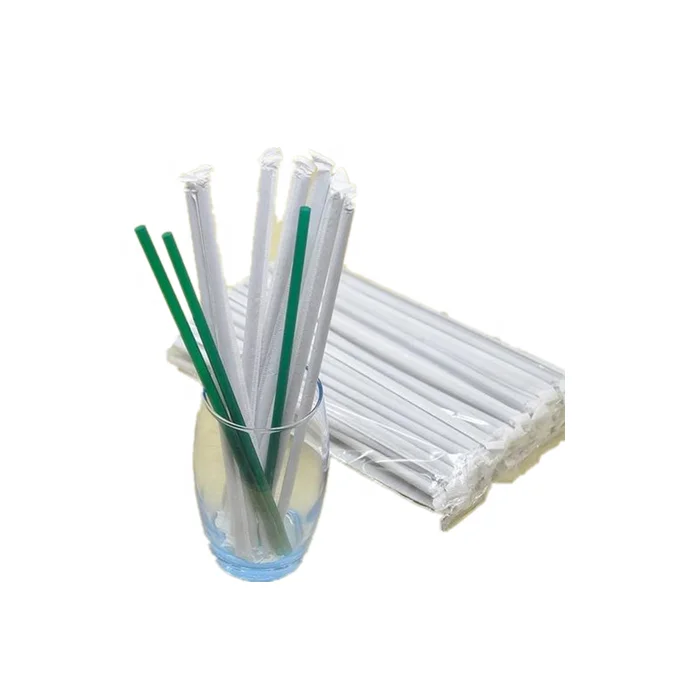
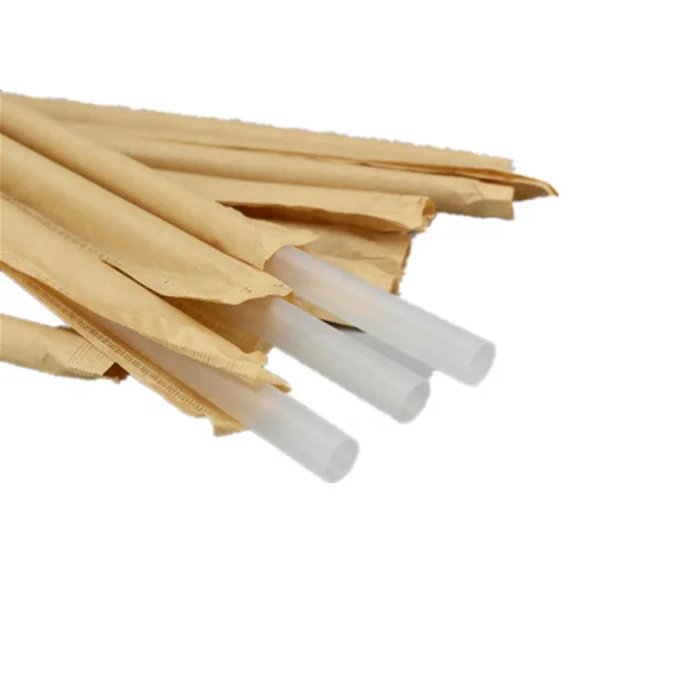
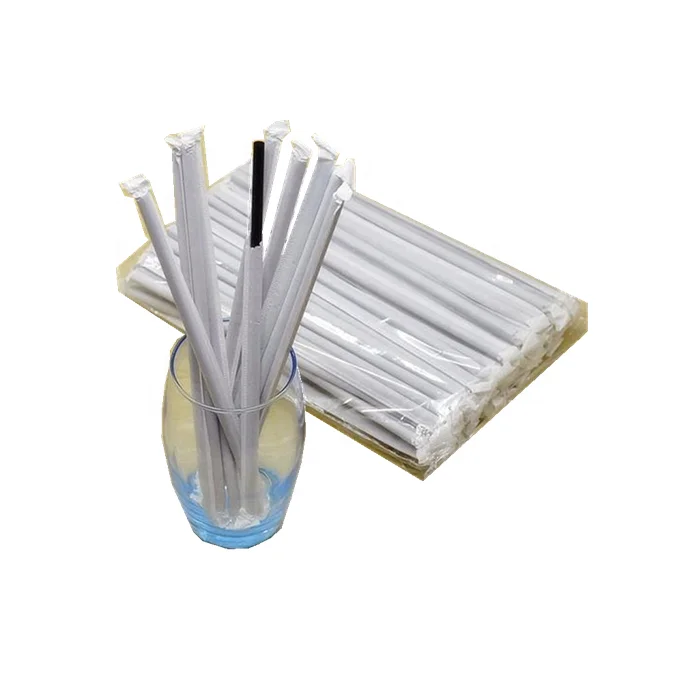
Packaged straws are essential products in various industries, providing convenience and hygiene for consumers. As a B2B buyer, selecting the right packaged straw involves understanding material options, suitability for specific applications, and supplier reliability. This article will guide you through crucial considerations when choosing individually wrapped straws, sourcing suppliers, and identifying common challenges in installation and application across different sectors.
When selecting packaged straws, the primary factors to consider include material type, diameter, length, and intended use. Common materials for packaged straws include plastic, paper, and biodegradable alternatives. Each material has its unique properties and applications:
Plastic Straws: Typically made from polypropylene or polyethylene, plastic straws offer durability and flexibility. However, they may not be suitable for eco-conscious brands due to environmental concerns.
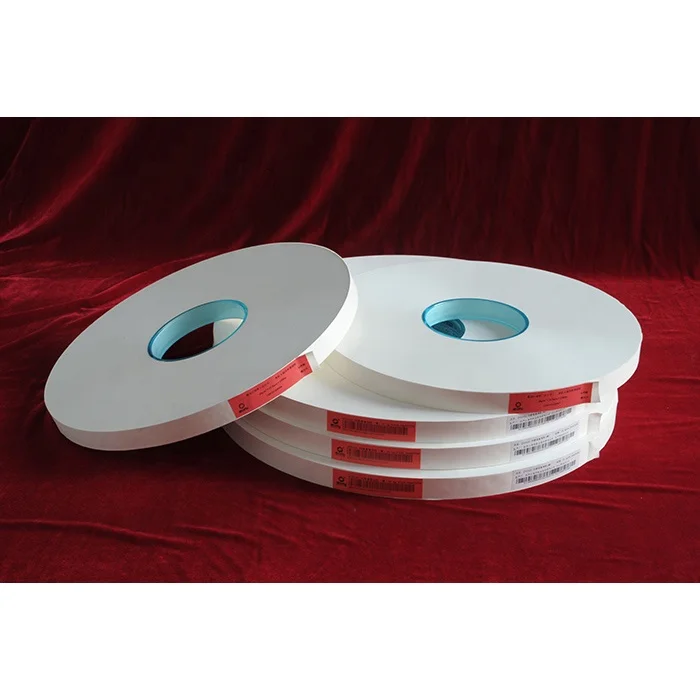
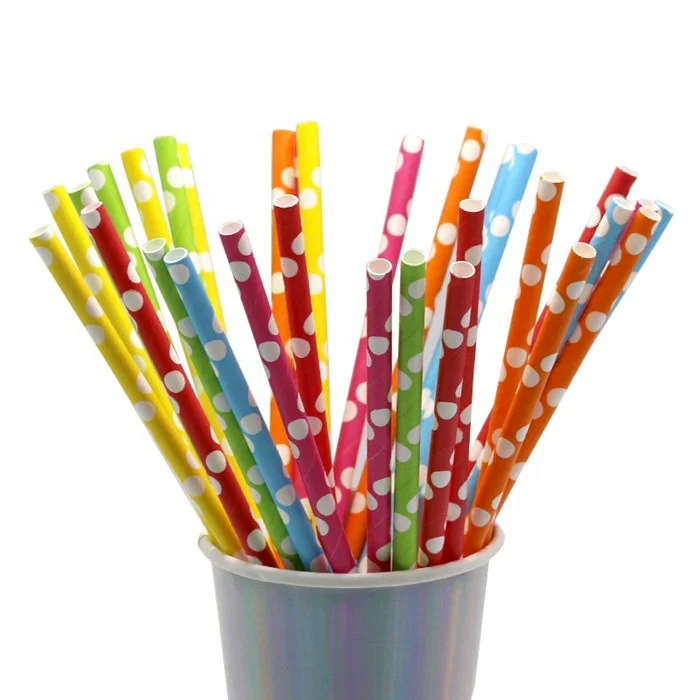
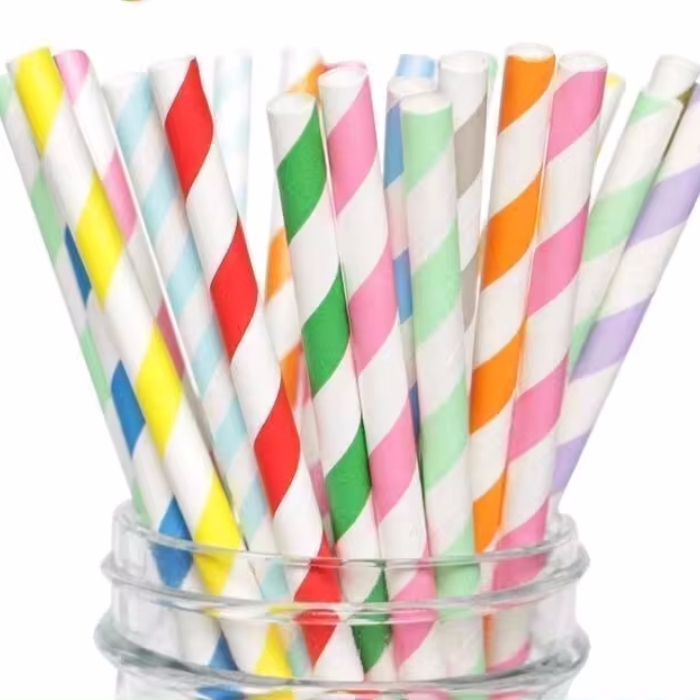
Paper Straws: As a sustainable alternative, paper straws are biodegradable and come in various designs. They are ideal for beverages served in restaurants or events focused on reducing plastic waste.
Biodegradable Straws: Often made from materials like PLA (polylactic acid), these straws decompose more easily than traditional plastic. They are suitable for businesses looking to enhance their sustainability profile.
Buyers should also consider the straw's dimensions, as the diameter affects the flow rate and is crucial for products like smoothies or bubble teas. Additionally, ensure that the packaging aligns with your branding and logistics requirements, as custom packaging can enhance visibility and consumer experience.
Finding a trustworthy supplier for Fancyco packaged straws involves evaluating several key factors. Start by researching manufacturers with a solid reputation in the industry, particularly those with experience in producing high-quality straws. Look for suppliers who have:
Certifications: Verify if the manufacturer has relevant quality certifications that indicate adherence to industry standards, such as ISO or FDA compliance for food safety.
Customization Capabilities: Some buyers may require specific designs or branding on their eco friendly paper straws. Suppliers that offer customization can better meet unique project needs.
Production Capacity: Ensure the supplier can handle your order volumes, whether for bulk purchases or specific project timelines. Ask about their lead times and flexibility in scaling production if needed.
Networking within industry trade shows or online platforms like LinkedIn can also lead to connections with reliable suppliers. Always request samples to assess quality before placing a larger order.
Wholesale purchasing of Fancyco packaged straws can provide significant cost savings while ensuring you have adequate stock for your operations. When considering wholesale options, evaluate the following:
Minimum Order Quantities (MOQ): Different suppliers have varying MOQs. Determine what fits your budget and storage capacity, especially if you work in a seasonal industry where demand may fluctuate.
Pricing Structure: Understand the pricing tiers based on order volume. Bulk orders often reduce the per-unit cost, but confirm any additional fees for shipping or customization.
Shipping and Logistics: Assess the supplier's shipping options, including lead times and transportation methods. Efficient logistics are critical to maintaining inventory levels and meeting customer demands.
Before finalizing a wholesale agreement, confirm return policies and warranty conditions, as this can impact your long-term cost efficiency.
While Fancyco packaged straws are straightforward in their application, several common issues can arise during installation or use. Here are a few challenges and their potential solutions:
Misalignment: Straws may not fit properly in some containers, especially if the diameter is inconsistent. To prevent this, always verify the dimensions against the container specifications before ordering.
Quality Issues: Occasionally, batches of straws may have manufacturing defects, such as leaks or deformities. Implement a quality control process to inspect samples from each batch and establish guidelines for rejecting defective products.
Compatibility with Beverages: Some straws may degrade when exposed to hot liquids, particularly plastic ones. Ensure you select straws that are designed for your specific application, such as heat-resistant options for hot beverages.
Providing training or guidelines for staff on how to handle and install eco friendly straws can also minimize these issues effectively.
With more than 25 years of RD experience Fancyco is dedicated to golden aluminum foil development The technology center at Fancyco is backed by an skilled RD team with an average of 15+ years' experience This expertise enables us to design cutting-edge products and solutions to meet the changing needs of our global clientele
The factory established in paper aluminum boasts a large production capacity that includes 500+ sets of equipment and over 300 molds We focus on strict quality control in all of our manufacturing processes to ensure top quality machines that are in compliance with the highest specifications Every step from CAD-CAM to powder coating to professional assembly is performed with a high degree of precision to guarantee quality and reliability of the products
paper aluminum established in 2004 was established in 2004 and has earned a reputation as an industry leader in the world of packaging and printing supplies over the past 20 years. As a gold-certified supplier on Alibaba We achieved the first step in our commitment towards the highest quality and customer satisfaction.
Fancyco has Aluminum paper successfully into over 80 countries and areas around the world. In 2015 we positioned ourself as the No.1 company for stickers and hygiene products in Nigeria and Uganda, demonstrating our capability to expand and dominate markets with high-end products and top-quality service.
Packaged straws serve a wide range of applications across various industries, each with unique requirements. Here are some key sectors utilizing packaged straws:
Food and Beverage: Restaurants, cafes, and bars commonly use straws for serving drinks. The choice of material and design can reflect the establishment's branding and sustainability values.
Healthcare: In hospitals and care facilities, packaged straws are often used for patients who may have difficulty drinking from traditional cups. Straws designed for medical use typically prioritize hygiene and ease of use.
Event Management: Straws are essential for catering services, where convenience and presentation are vital. Custom-printed straws enhance branding at events and parties, aligning with the overall theme.
Understanding the specific needs of your target industry can help in selecting the right straws and establishing effective supplier relationships.
choosing the right packaged straw involves careful consideration of materials, supplier reliability, and potential challenges. By understanding your project's specific needs and the nuances of the packaged straw market, you can make informed purchasing decisions that enhance both product quality and customer satisfaction.

Founded in 2004,Our company became a golden supplier in Alibaba over 20 years. It was a significant turning point in 2005 which we have our own factory. In 2015 Fancyco successfully entered Nigeria and Uganda market and set up No.1 brand of the sticker paper and hygiene products in these countries.
701, No.8 Building, Bojinwan Beiyuan, Taierzhuang Road, Tianjin, China.
Copyright © Fancyco All Rights Reserved Privacy Policy

 EN
EN
 AR
AR
 HR
HR
 CS
CS
 DA
DA
 NL
NL
 FI
FI
 FR
FR
 DE
DE
 EL
EL
 HI
HI
 IT
IT
 JA
JA
 KO
KO
 NO
NO
 PL
PL
 PT
PT
 RO
RO
 RU
RU
 ES
ES
 SV
SV
 TL
TL
 ID
ID
 LV
LV
 LT
LT
 SR
SR
 SK
SK
 UK
UK
 VI
VI
 SQ
SQ
 ET
ET
 HU
HU
 MT
MT
 TH
TH
 TR
TR
 FA
FA
 MS
MS
 BE
BE
 IS
IS
 BN
BN