
 EN
 AR
 HR
 CS
 DA
 NL
 FI
 FR
 DE
 EL
 HI
 IT
 JA
 KO
 NO
 PL
 PT
 RO
 RU
 ES
 SV
 TL
 ID
 LV
 LT
 SR
 SK
 UK
 VI
 SQ
 ET
 HU
 MT
 TH
 TR
 FA
 MS
 BE
 IS
 BN

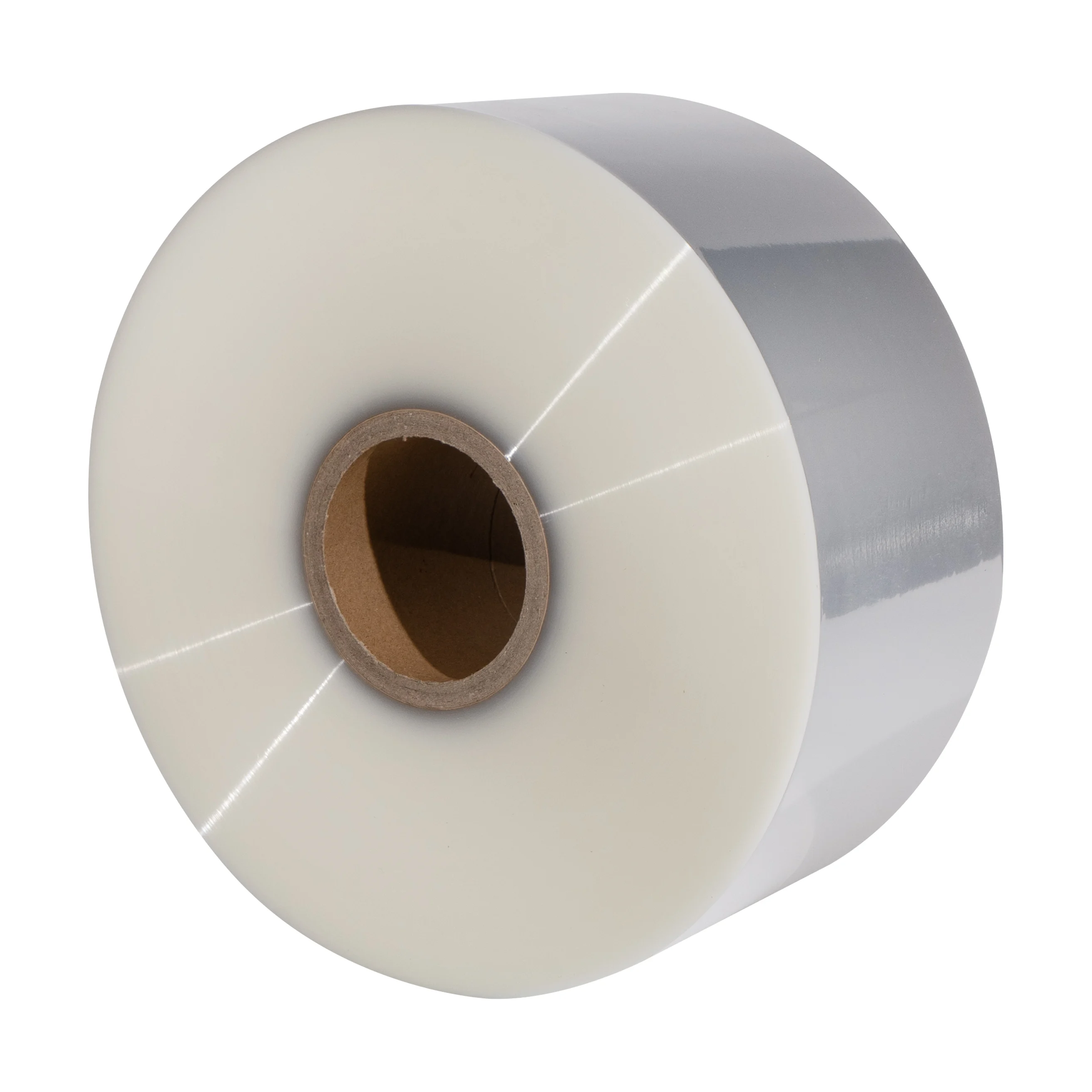
Selecting the right bulk BOPP film supplier is crucial for B2B buyers in manufacturing and packaging. As a significant packing and printing material, BOPP film (Biaxially Oriented Polypropylene) has a variety of applications across industries, including food packaging, textiles, and hygiene products. This article will address key concerns B2B buyers face when choosing a supplier, such as quality evaluation, cost factors, common issues, and effective comparisons of different options. By understanding these aspects, purchasing managers and product managers can make informed decisions that meet their operational needs.
How to Evaluate Quality in Bulk BOPP Film Products
Evaluating the quality of bulk BOPP film products is essential for ensuring performance and durability. Key specifications to consider include thickness, clarity, tensile strength, and seal-ability.
Thickness: This affects the film's barrier properties and strength. A thicker film may offer better durability but could also impact flexibility and cost.
Clarity: High clarity is important for aesthetic appeal, especially in food packaging. Poor clarity may indicate a lower-quality product that affects visibility of the packaged item.
Tensile Strength: This measures the film's ability to withstand tension without breaking. It’s crucial for applications involving stretching or wrapping.
Sealability: The ability to form strong seals is critical for ensuring that packaged products remain secure. Poor seal-ability can lead to product spoilage or waste.
Buyers should request sample rolls to inspect these specifications firsthand before making a bulk purchase. This hands-on evaluation helps confirm the film's suitability for specific applications and ensures compliance with quality standards.
Understanding the Cost Factors of Bulk BOPP Film Purchases
When determining the cost of bulk BOPP film, several factors come into play:
Material Quality: Higher-quality resins typically lead to better performance but come at a premium price. Understanding the balance between cost and quality is key.
Thickness and Width: Thicker and wider films usually incur higher costs. Buyers should assess their needs to avoid unnecessary expenditure.
Customization: Custom printing or specific dimensions can increase costs. Clearly defining your requirements can help streamline pricing discussions with suppliers.
Minimum Order Quantities (MOQs): Suppliers often set MOQs, which can impact the overall cost. Smaller orders may lead to higher per-unit costs, so planning for larger runs can be cost-effective.
Buyers should prepare detailed specifications and expected volumes when requesting quotes. This clarity can help suppliers provide more accurate pricing and reduce negotiation time.
Common Issues with BOPP Film and How to Solve Them
Several common issues can arise with cigarette materials BOPP film, impacting its performance and usability:
Wrinkling and Curling: Improper handling during storage and transportation can lead to these defects. To mitigate this, ensure proper packaging and handling instructions are followed, and consider using protective covers during transit.
Poor Adhesion: Films that do not adhere well can result in product failure. Testing the film in real-world conditions can help identify potential adhesion issues before mass production.
Inconsistent Quality: Variations in production can lead to inconsistencies in film quality. Working with a reputable supplier who implements stringent quality control measures is vital. Requesting certifications and quality assurance protocols can provide peace of mind.
By addressing these common issues proactively, buyers can minimize risks and ensure their products meet market standards.
How to Compare Different Bulk BOPP Film Options Effectively
When comparing different bulk BOPP film options, it's essential to create a structured evaluation process:
Specification Comparison: Develop a comparison chart that outlines key specifications such as thickness, material type, and intended applications. This visual aid can simplify decision-making.
Supplier Reputation: Research suppliers’ backgrounds, including their manufacturing capabilities and experience. Companies like Fancyco, with over 15 years of experience and their own production facilities, can offer insights into reliability and product consistency.
Samples and Testing: Always request samples from multiple suppliers to conduct performance tests. This hands-on evaluation is crucial for assessing how well the film meets your specific application needs.
Cost Analysis: Include all costs in your comparison, including shipping and handling. Sometimes lower unit prices may come with hidden costs that impact overall budget.
Customer Service and Support: Evaluate the level of support offered by suppliers. Responsive communication can be invaluable for addressing issues quickly.
By systematically comparing options, buyers can make more informed decisions that align with their operational goals.
Best Practices
To ensure a successful purchasing experience of bulk aluminium foil paper BOPP film, consider these best practices:
Define Your Requirements Clearly: Before reaching out to suppliers, have a clear understanding of your technical specifications, application needs, and budget constraints. This clarity will facilitate better communication and lead to more accurate quotes.
Request Documentation: Always ask for material data sheets, certifications, and quality assurance documents. This information will help verify the supplier’s claims and ensure compliance with industry standards.
Conduct Pre-Production Tests: Before committing to a large order, conduct pre-production tests using samples. This step can help identify potential issues early in the process.
Build a Relationship with Your Supplier: Establishing a good working relationship with your supplier can yield long-term benefits, such as better pricing, priority service, and improved communication.
By following these best practices, B2B buyers can enhance their purchasing process for bulk BOPP film, ensuring they select a supplier that meets their quality and operational needs effectively.