
 EN
EN
 AR
AR
 HR
HR
 CS
CS
 DA
DA
 NL
NL
 FI
FI
 FR
FR
 DE
DE
 EL
EL
 HI
HI
 IT
IT
 JA
JA
 KO
KO
 NO
NO
 PL
PL
 PT
PT
 RO
RO
 RU
RU
 ES
ES
 SV
SV
 TL
TL
 ID
ID
 LV
LV
 LT
LT
 SR
SR
 SK
SK
 UK
UK
 VI
VI
 SQ
SQ
 ET
ET
 HU
HU
 MT
MT
 TH
TH
 TR
TR
 FA
FA
 MS
MS
 BE
BE
 IS
IS
 BN
BN

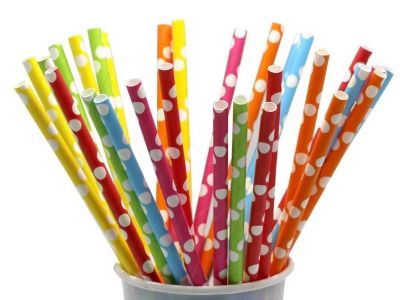
Biodegradable straw wrapping paper is an environmentally friendly alternative to traditional packaging materials, designed to protect products while minimizing ecological impact. As B2B buyers increasingly prioritize sustainability, understanding how to source biodegradable options becomes imperative. This guide addresses key considerations for purchasing biodegradable straw wrapping paper, including where to find reliable options, how to assess quality, pricing factors, industry applications, and common challenges with these materials.
Where to Find Reliable Biodegradable Paper Options?
Identifying trustworthy suppliers for biodegradable straw wrapping paper requires careful research. Start by looking for manufacturers with established reputations in sustainable packaging. Reputable companies often showcase certifications related to eco-friendliness and product safety, which can serve as a basis for reliable sourcing.
Trade shows and industry exhibitions are excellent venues for connecting with potential suppliers. Here, you can meet manufacturers face-to-face, inspect product samples, and discuss your specific requirements. Additionally, consider online platforms specializing in B2B transactions, where reviews and ratings can provide insights into supplier reliability and product quality.
Given Fancyco's experience in packing and printing materials, they can be a valuable resource for businesses looking for high-quality biodegradable options. Their extensive product range and commitment to customer needs demonstrate their capability to deliver customized solutions.
How to Assess Biodegradable Straw Wrapping Paper?
When evaluating biodegradable straw wrapping paper, it's essential to consider several key factors. First, examine the Paper Straw Materials composition. Biodegradable products can be made from various plant-based materials, such as kraft paper or PLA (polylactic acid). Understanding the specific material can help you determine its suitability for your intended application.
Next, assess the product's specifications, including thickness, dimensions, and strength. Thicker paper may offer better protection for fragile items, while specific dimensions are crucial for ensuring a proper fit around different products. Additionally, inquire about the sealing methods and whether the wrapping paper maintains its integrity during transportation and storage.
Lastly, request samples before placing a bulk order. This step allows you to evaluate the product's performance in real-world conditions, ensuring it meets your quality standards and necessary specifications.
Understanding Pricing for Bulk Biodegradable Paper Orders
Pricing for biodegradable straw wrapping paper can vary significantly based on several factors, including material quality, order quantity, and customization requirements. Generally, larger orders can lead to lower per-unit costs due to economies of scale. Therefore, it's advisable to confirm the minimum order quantity (MOQ) with potential suppliers to understand the pricing structure better.
Customization options, such as printing logos or specific designs, can also impact the overall cost. Ensure you discuss these aspects with your Tipping paper supplier to receive accurate quotations. Additionally, consider any shipping costs and lead times, as these can affect the total expenditure and project timelines.
For a manufacturer like Fancyco that specializes in customized solutions, their pricing transparency and ability to cater to specific needs can ensure you receive high-quality products that fit your budget.
Applications of Biodegradable Straw Wrapping Paper in Various Industries
Biodegradable straw wrapping paper can serve a multitude of applications across different industries. In the foodservice sector, it is commonly used to wrap sandwiches, burgers, and baked goods, offering a sustainable alternative to plastic wrappers. Its biodegradability aligns with the growing consumer demand for eco-friendly packaging solutions.
In the retail and e-commerce sectors, this wrapping paper can be utilized for packaging products, providing a protective layer while enhancing the unboxing experience. Companies that prioritize sustainability can attract environmentally conscious consumers by using biodegradable materials.
Additionally, the beauty and cosmetic industry can leverage biodegradable straw wrapping paper for packaging items like soaps, lotions, and other products, showcasing their commitment to environmental responsibility. By understanding these applications, buyers can select the most suitable BOPP film options tailored to their specific industry needs.
Common Problems with Biodegradable Wrapping Paper and Their Solutions
While biodegradable straw wrapping paper offers many advantages, potential challenges may arise during its use. One common issue is moisture sensitivity, which can compromise the integrity of the wrapping under humid conditions. To mitigate this, ensure the paper is treated or coated to enhance its moisture resistance, particularly for applications in humid environments.
Another concern is the durability of biodegradable materials compared to traditional plastic. It’s crucial to assess the specific requirements of your products to ensure the wrapping paper can withstand transportation and handling without tearing or losing its protective qualities.
Buyers should also be aware of the potential for variability in product quality among suppliers. Requesting samples and engaging in thorough quality checks during the procurement process can help mitigate this risk. Fancyco's commitment to quality control processes ensures that their biodegradable products meet high-performance standards, providing peace of mind for businesses looking to make a sustainable choice.
By carefully considering these factors and utilizing reliable suppliers, B2B buyers can confidently source biodegradable straw wrapping paper that meets their needs while supporting sustainability initiatives.
Table of Contents
- Where to Find Reliable Biodegradable Paper Options?
- How to Assess Biodegradable Straw Wrapping Paper?
- Understanding Pricing for Bulk Biodegradable Paper Orders
- Applications of Biodegradable Straw Wrapping Paper in Various Industries
- Common Problems with Biodegradable Wrapping Paper and Their Solutions