
 EN
EN
 AR
AR
 HR
HR
 CS
CS
 DA
DA
 NL
NL
 FI
FI
 FR
FR
 DE
DE
 EL
EL
 HI
HI
 IT
IT
 JA
JA
 KO
KO
 NO
NO
 PL
PL
 PT
PT
 RO
RO
 RU
RU
 ES
ES
 SV
SV
 TL
TL
 ID
ID
 LV
LV
 LT
LT
 SR
SR
 SK
SK
 UK
UK
 VI
VI
 SQ
SQ
 ET
ET
 HU
HU
 MT
MT
 TH
TH
 TR
TR
 FA
FA
 MS
MS
 BE
BE
 IS
IS
 BN
BN

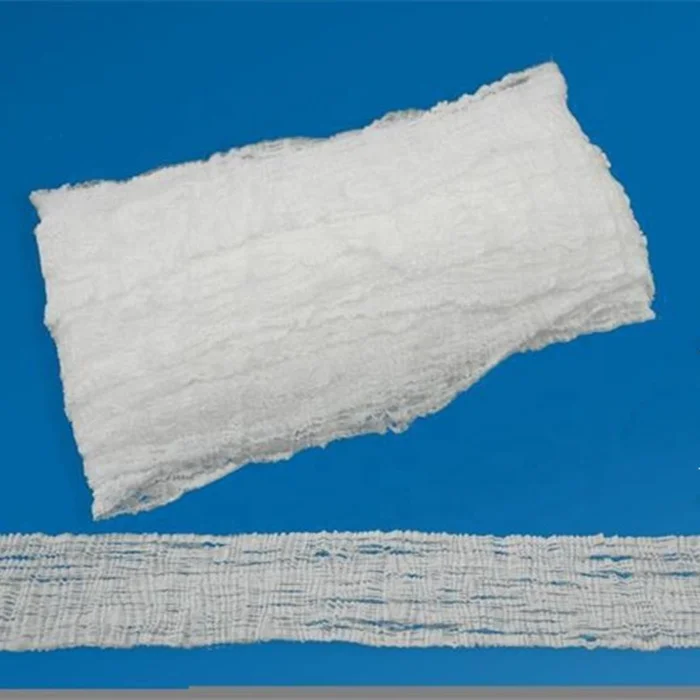
Custom filter rods, essential components in various filtration systems, are designed to enhance air and liquid quality across numerous applications. This article will explore the critical specifications involved in custom filter rod manufacturing, addressing key concerns for B2B buyers, such as material selection, quality assurance, and supplier reliability. By understanding these specifications, purchasing managers and engineers can make informed decisions that align with their project requirements.
Understanding Custom Filter Rod Manufacturing Specifications
When diving into custom filter rod manufacturing, it's vital to comprehend the specifications that dictate performance and suitability for specific applications. Key specifications include:
Dimensions: Accurate dimensions ensure that the acetate tow fits correctly within its designated system. This affects not only the functionality but also the ease of installation and maintenance.
Material Composition: Various materials, such as activated carbon, cellulose, or synthetic fibers, can be used in filter rods. Each material has unique properties that influence filtration efficiency, chemical resistance, and durability. For instance, activated carbon is excellent for adsorbing impurities, while synthetic fibers may provide higher resistance to moisture.
Porosity and Density: The porosity of the rod affects the flow rate and the ability to trap contaminants. A denser rod might provide better filtration but could also restrict flow, leading to pressure build-up.
Performance Ratings: These ratings often include efficiency levels for different particle sizes, which are crucial for industries needing specific filtration standards.
Quality Control Standards: Manufacturers should adhere to stringent quality control processes to ensure consistency and reliability in their products. Certifications from recognized bodies can be an indicator of a manufacturer's commitment to quality.
Understanding these specifications empowers buyers to select filter rods that meet their specific needs, reducing the risk of operational issues down the line.
How to Choose the Right Custom Filter Rod for Your Project
Selecting the right custom filter rod involves evaluating several factors based on the specific application and operational requirements:
Application Requirements: Determine the type of contaminants that need to be filtered. For example, industrial settings might require rods that can handle high levels of particulate matter, while residential applications might focus on improving air quality.
Material Suitability: Choose materials based on the environment in which the filter will be used. For instance, if the filter rod will be exposed to chemicals, selecting a material with high chemical resistance is essential.
Size and Fit: Measure the installation space precisely. A filter rod that is either too large or too small can lead to inefficiency and increased maintenance costs.
Quantities and Production Capacity: Discuss minimum order quantities (MOQs) with suppliers. Depending on the manufacturer, MOQs can vary significantly, influencing overall project budgets and timelines.
Customization Options: Engage with suppliers about potential customization. Customization can include altering dimensions, material blends, or performance characteristics to meet unique specifications.
By addressing these factors during the selection process, buyers can ensure they choose the most suitable filter rods for their projects, ultimately leading to better performance and customer satisfaction.
Reliable Suppliers for Custom Filter Rods
Working with reputable suppliers is crucial for ensuring product quality and reliability. Here are key considerations when evaluating potential suppliers:
Experience and Expertise: Look for suppliers with a proven track record in cigarette materials filter rod manufacturing. Established companies, such as Fancyco, often have the necessary expertise and resources to meet diverse customer needs.
Manufacturing Capabilities: Assess the supplier's manufacturing processes and equipment. Advanced production methods and technology can enhance product quality and consistency.
Quality Assurance Processes: Verify that the supplier implements strict quality control measures. Certifications and compliance with industry standards (e. g., ISO) can serve as indicators of their commitment to quality.
Customer Reviews and Case Studies: Research customer testimonials or case studies to gauge the supplier's reliability and responsiveness. Positive feedback from previous clients can provide confidence in your choice.
Communication and Support: A supplier that offers excellent customer service and technical support can be invaluable during the purchasing process. Open lines of communication facilitate better project management and problem resolution.
By carefully selecting a reliable supplier, B2B buyers can mitigate risks associated with product quality and performance.
Comparing Material Advantages in Custom Filter Rod Manufacturing
The choice of materials in custom filter rod manufacturing significantly impacts performance, longevity, and cost. Here’s a comparison of common materials used in filter rod production:
| Material | Advantages | Disadvantages |
|---|---|---|
| Activated Carbon | High adsorption capacity for odors and pollutants | Can be less durable in wet conditions |
| Cellulose | Biodegradable and cost-effective | Limited resistance to moisture |
| Synthetic Fibers | Excellent durability and chemical resistance | Higher cost compared to natural fibers |
| Glass Fiber | High temperature resistance and filtration efficiency | More brittle and less flexible |
Each material serves specific filtration needs. Therefore, selecting the right material involves balancing performance requirements against environmental conditions and cost constraints.
Common Problems with Filter Rods and Effective Solutions
Even with careful selection, issues can arise during the operation of filter rods. Common problems include:
Clogging: Over time, cigarette paper filter rods may become clogged with particulate matter, reducing their efficiency. Regular maintenance and timely replacement are essential to prevent this issue. Implementing pre-filters can also extend the life of the main filter rod.
Poor Seal Fit: An improper seal can lead to bypass, where unfiltered liquid or air escapes. Ensuring precise dimensions and proper installation can mitigate this risk. Buyers should always verify that the filter rod fits snugly within its housing.
Material Degradation: Some materials may degrade when exposed to harsh chemicals or extreme temperatures. Selecting the appropriate material based on the operating environment is crucial. Conducting tests under actual operating conditions before mass production can help identify potential issues.
Inconsistent Quality: Variability in product quality can lead to operational failures. Engaging with suppliers who have a robust quality assurance process is vital. Requesting samples for testing can help ensure the product meets the required specifications before large-scale orders.
By understanding these common problems and their solutions, B2B buyers can better prepare for the operational challenges associated with custom filter rods, ultimately leading to more successful filtration solutions.