
 EN
EN
 AR
AR
 HR
HR
 CS
CS
 DA
DA
 NL
NL
 FI
FI
 FR
FR
 DE
DE
 EL
EL
 HI
HI
 IT
IT
 JA
JA
 KO
KO
 NO
NO
 PL
PL
 PT
PT
 RO
RO
 RU
RU
 ES
ES
 SV
SV
 TL
TL
 ID
ID
 LV
LV
 LT
LT
 SR
SR
 SK
SK
 UK
UK
 VI
VI
 SQ
SQ
 ET
ET
 HU
HU
 MT
MT
 TH
TH
 TR
TR
 FA
FA
 MS
MS
 BE
BE
 IS
IS
 BN
BN

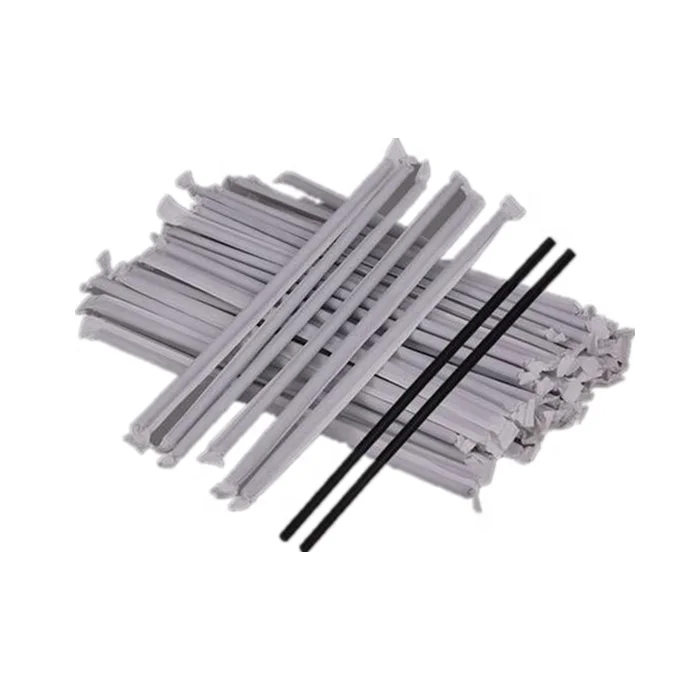
Choosing the right food-grade straw wrapping paper supplies is crucial for businesses in the food packaging sector. This type of packaging not only protects the product but also maintains its quality and freshness. As a B2B buyer, you need to consider factors such as material safety, compliance with food regulations, and supplier reliability. This article will provide insights into making informed decisions when selecting food-grade straw wrapping paper supplies, addressing key concerns that can impact your purchasing process.
How to Choose the Right Food-Grade Straw Wrapping Paper Supplies
When selecting food-grade wrapping paper straw materials supplies, start by identifying your specific needs. Consider the type of food products you are packaging, as this will dictate the necessary properties of the wrapping paper. For example, products that require longer shelf life may need materials with higher barrier properties against moisture and oxygen. Always verify that the materials used are food-safe and compliant with local and international food packaging regulations.
Next, assess the customization options available. Many suppliers, including Fancyco, offer tailored solutions to meet unique packaging requirements, whether it’s specific dimensions, thickness, or printing options. Be sure to request samples to evaluate the performance of different materials in real-world conditions before making a bulk purchase.
What to Look for in Straw Wrapping Paper
When evaluating straw wrapping paper, several key specifications should be taken into account:
Material Quality: Ensure that the paper is made from virgin or recycled paper that meets food safety standards. The material should not impart any harmful substances to the food products.
Thickness and Weight: The thickness of the paper affects its durability and protective qualities. Thicker papers may provide better protection but could affect the overall presentation.
Barrier Properties: Depending on the food type, consider the paper’s ability to resist moisture, grease, and oxygen. Papers with high barrier properties are essential for preserving the freshness of perishable items.
Printing Capabilities: If branding is important, check if the supplier can accommodate high-quality printing on the wrapping paper without compromising food safety.
Certifications: Ask for certifications that prove compliance with relevant standards, such as FDA regulations or EU food safety directives.
Where to Find Reliable Suppliers of Food-Grade Packaging Materials
Finding a reliable supplier for food-grade straw wrapping paper involves thorough research. Start by looking for manufacturers or distributors with established reputations in the food packaging industry. Trade shows, industry directories, and online B2B marketplaces can be valuable resources for identifying potential suppliers.
Evaluate suppliers based on their experience and track record. A company like Fancyco, with nearly two decades in the industry and a dedicated R&D team, is typically more equipped to address common challenges in food packaging. Additionally, inquire about their quality control processes and how they manage production consistency.
Don’t hesitate to ask for testimonials or references from other clients to gauge their reliability and service quality. Engaging with suppliers who prioritize customer needs and offer customized solutions will enhance your purchasing experience.
Cost Factors in Wholesale Purchases of Straw Wrapping Paper
When planning your budget for plug wrapping paper, consider several cost factors:
Material Costs: The type of paper and its specifications directly impact pricing. More advanced materials with superior barrier properties will typically cost more.
Order Quantity: Many suppliers offer price breaks for bulk orders. Understand the minimum order quantities (MOQ) required by suppliers to optimize your costs.
Customization Fees: Custom printing or special finishes may incur additional charges. Be clear about your requirements to receive accurate quotes.
Shipping and Handling: Factor in logistics costs, especially if you are importing materials from overseas. This includes freight charges, customs duties, and any potential storage fees.
Quality Assurance: Investing in quality control measures ensures that you receive the right product, which can save costs associated with returns or product recalls in the future.
Material and Performance
The performance of food-grade straw wrapping paper is heavily influenced by its material composition. Common materials include kraft paper, which offers good strength and print-ability, and waxed paper, which provides resistance to moisture and grease.
Each material has its advantages depending on the application. For instance, kraft paper is ideal for dry products, while waxed paper is better suited for oily or moist food items. It's important to match the material with the food's characteristics to prevent any degradation of quality during storage and transportation.
The manufacturing process also plays a role in performance. Quality manufacturers ensure that the production methods used maintain the integrity of the materials and meet safety standards. Consider requesting information about the production capabilities of potential suppliers, including their machinery and quality control practices.
Buyers should also perform due diligence by testing samples under actual conditions to ensure the chosen tear tape meets their performance expectations before committing to a large order. This proactive approach can help in avoiding common pitfalls associated with inadequate packaging.
By understanding the critical elements involved in selecting food-grade straw wrapping paper supplies, you can make informed decisions that meet your operational needs while ensuring compliance with safety standards.