
 EN
EN
 AR
AR
 HR
HR
 CS
CS
 DA
DA
 NL
NL
 FI
FI
 FR
FR
 DE
DE
 EL
EL
 HI
HI
 IT
IT
 JA
JA
 KO
KO
 NO
NO
 PL
PL
 PT
PT
 RO
RO
 RU
RU
 ES
ES
 SV
SV
 TL
TL
 ID
ID
 LV
LV
 LT
LT
 SR
SR
 SK
SK
 UK
UK
 VI
VI
 SQ
SQ
 ET
ET
 HU
HU
 MT
MT
 TH
TH
 TR
TR
 FA
FA
 MS
MS
 BE
BE
 IS
IS
 BN
BN

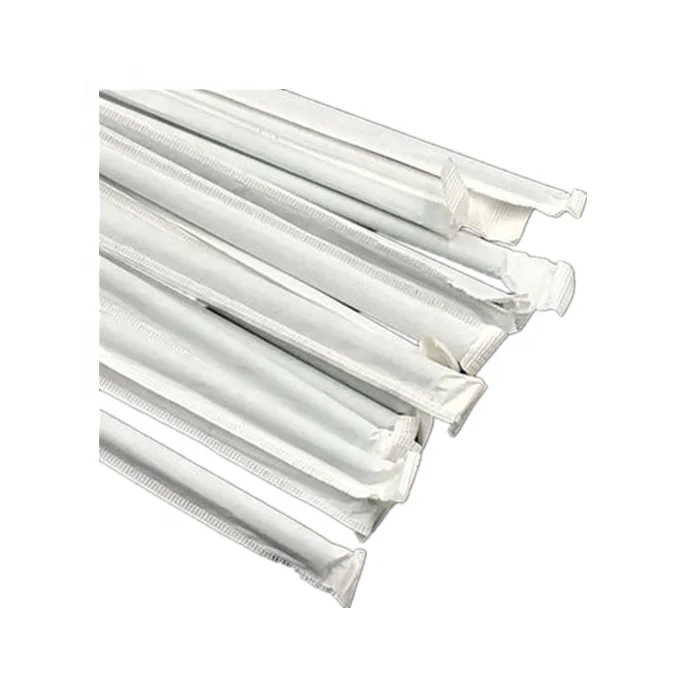
Straw wrapped packaging solutions are becoming increasingly popular among B2B suppliers due to their versatility, sustainability, and ability to enhance product presentation. This article covers the top straw wrapped packaging solutions tailored for various industries, focusing on key specifications, considerations for selection, and reliable suppliers. By understanding these aspects, purchasing managers, engineers, and product managers can make informed decisions that meet their operational needs and quality standards.
What to Consider When Choosing Straw Wrapped Packaging Solutions
When selecting straw wrapped packaging solutions, several factors must be taken into account to ensure the product meets the specific requirements of your business. First, consider the type of products being packaged. Different products may require varying levels of protection, moisture resistance, and durability. For instance, food products necessitate materials that adhere to health standards and provide adequate barrier properties against moisture and contamination.
Next, evaluate the environmental impact of the packaging. Paper straw materials solutions are often more sustainable than traditional plastic packaging, making them an attractive option for companies aiming to enhance their eco-friendly practices. Additionally, consider customization options. Depending on your branding strategy, you may want to choose packaging that allows for unique designs or branding elements that make your products stand out on the shelf.
Lastly, consider the cost-effectiveness of the packaging solution. While straw wrapped packaging may have a higher initial cost compared to some alternatives, the long-term benefits, such as reduced waste and improved customer perception, can outweigh these expenses.
Key Specifications for Straw Wrapped Packaging
Understanding the key specifications of straw wrapped packaging is crucial for ensuring that the selected solutions are suitable for your needs. Important specifications include:
Material Composition: Straw wrapping is typically made from natural straw fibers, which provide a unique aesthetic and sustainable profile. Assess the sourcing of these materials to ensure they meet your environmental standards.
Thickness and Durability: The thickness of the wrapping can affect its durability and protective capabilities. A thicker wrapping may provide better protection for fragile items but could also increase shipping costs.
Sealing Method: The sealing method used for straw wrapped packaging impacts its effectiveness. Heat sealing is commonly used, providing a strong bond that is essential for maintaining product integrity during storage and transport.
Moisture and Barrier Properties: Depending on your product, it may be necessary to assess the moisture barrier properties of the packaging. Some straw wrapped solutions may require additional coatings or treatments to enhance these properties.
Customization Options: Ensure that the packaging solution can be tailored to your specific needs, such as size variations, print options, and design enhancements that align with your branding.
How to Compare Straw Wrapped Packaging Options for Your Needs
When comparing different straw plug wrapping paper options, it is beneficial to create a checklist of requirements based on your unique needs. Start by listing the desired specifications based on product type, including:
Required strength and durability
Environmental impact and sustainability criteria
Customization capabilities, including printing and design
Cost per unit and overall budget considerations
Lead times for production and delivery
Once you have this checklist, reach out to multiple suppliers to request samples and quotes. Evaluate the samples against your specifications, paying close attention to the quality of materials and the effectiveness of the sealing methods used.
Additionally, consider the supplier's reputation and reliability. Look for reviews and testimonials from other businesses to gauge their performance and ability to meet deadlines and quality requirements. It is also helpful to ask about their quality control processes to ensure that their products consistently meet your standards.
Reliable Suppliers for Straw Wrapped Packaging
Finding reliable suppliers for straw wrapped packaging solutions is essential for maintaining quality and consistency in your supply chain. In addition to evaluating their product offerings, consider the following factors when assessing suppliers:
Experience and Expertise: Look for suppliers with a proven track record in the packaging industry, especially those who specialize in straw wrapped solutions. Fancyco, for instance, has over 15 years of experience in the packing and printing materials sector, which can be advantageous for buyers seeking expertise.
Manufacturing Capabilities: Ensure suppliers have adequate manufacturing capabilities, including production equipment and quality control systems. This is important for maintaining production consistency and meeting your order quantities.
Customization Services: Many businesses require tailored packaging solutions. Ensure that the supplier can accommodate your customization needs, whether it involves specific dimensions, designs, or materials.
Certifications and Compliance: Check for certifications that demonstrate the supplier's adherence to industry standards and regulations. This may include certifications related to food safety, environmental management, and quality assurance.
Customer Support and Responsiveness: A reliable supplier should offer excellent customer support, including prompt responses to inquiries and flexibility in addressing your specific needs.
Installation Guidance for Efficient Use of Straw Wrapped Packaging
To ensure optimal performance of straw wrapped packaging, proper installation and handling are vital. Here are several tips for efficient use:
Training for Staff: Ensure that your staff is trained on how to handle and install straw wrapped packaging correctly. This includes understanding how to open packaging without damaging the product and how to ensure a proper seal.
Storage Conditions: Store your straw tipping paper products in a dry, cool environment to prevent moisture damage. Excessive humidity can weaken the straw material and compromise the integrity of the packaging.
Pre-Production Samples: Before committing to bulk orders, request pre-production samples to test in real-world conditions. This can help identify any potential issues with the packaging, such as fit or performance, before large quantities are produced.
Regular Quality Checks: Implement a quality check process for incoming shipments of straw wrapped packaging to ensure they meet your specifications. Look for any signs of damage or inconsistencies in the materials.
By following these guidelines, you can maximize the benefits of straw wrapped packaging solutions, ensuring they effectively protect your products while enhancing your brand's image in the market.