
 EN
 AR
 HR
 CS
 DA
 NL
 FI
 FR
 DE
 EL
 HI
 IT
 JA
 KO
 NO
 PL
 PT
 RO
 RU
 ES
 SV
 TL
 ID
 LV
 LT
 SR
 SK
 UK
 VI
 SQ
 ET
 HU
 MT
 TH
 TR
 FA
 MS
 BE
 IS
 BN

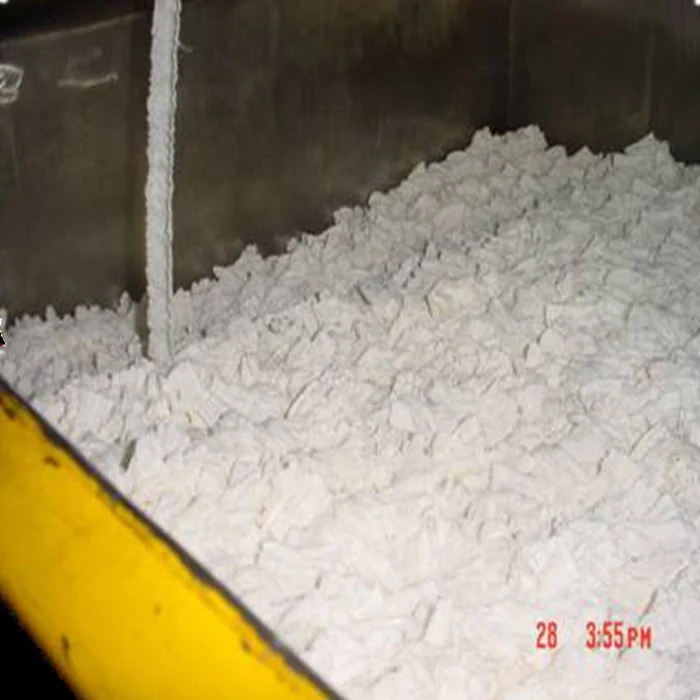
High-efficiency filter rod solutions for cigarettes play a crucial role in enhancing the smoking experience, addressing both consumer preferences and regulatory requirements. As a B2B buyer, you may be concerned about the performance, quality, and customization of these products to meet specific production needs. This article aims to provide valuable insights into high-efficiency filter rod solutions, covering key specifications, common challenges, and practical considerations that will aid you in making informed purchasing decisions.
What Wholesale Buyers Need
When sourcing high-efficiency acetate tow solutions, wholesale buyers should focus on several critical factors. Firstly, understanding the filter rod's role in the smoking product is essential. These rods are designed to reduce tar and nicotine intake while enhancing flavor, making them vital for manufacturers aiming to meet consumer demand for healthier options.
Buyers should also consider the supplier's manufacturing capabilities, including their quality control processes, customization options, and production capacity. Knowing the minimum order quantity (MOQ) and lead times is crucial for planning and inventory management. Furthermore, evaluating the supplier's experience, especially in the relevant market, can provide confidence in their ability to deliver consistent quality.
Key Specifications to Consider
Several key specifications should be assessed when selecting high-efficiency filter rods. These include:
Length and Diameter: Common dimensions typically range from 25 to 30 mm in length and 6 to 8 mm in diameter. These measurements will affect how the filter interacts with tobacco and the smoking experience.
Material Composition: Most filter rods are made from cellulose acetate, which provides excellent filtration properties. Buyers should verify if the material meets the required regulatory standards and performance expectations.
Pore Size and Density: The pore size influences airflow and filtration efficiency. A higher density may offer better filtration but could also affect draw resistance.
Customization Options: Many manufacturers offer the ability to customize filters based on specific performance criteria or branding requirements. Discussing these options during the procurement process can significantly enhance product differentiation.
By confirming these specifications, buyers can ensure that the filter rods align with their product goals and consumer demands.
High-Efficiency Filter Rods for Cigarette Production
High-efficiency cigarette materials are engineered to optimize the performance of cigarette products. They play a key role in controlling the delivery of harmful constituents while enhancing the overall flavor profile. Manufacturers can leverage advanced filtration technology to produce rods that effectively reduce tar and nicotine levels without compromising taste.
In production, it’s essential to maintain a consistent quality standard, as fluctuations can lead to variations in the smoking experience. Buyers should ensure that their suppliers conduct comprehensive testing, including burn rate tests and performance evaluations, to guarantee that each batch meets the required specifications before mass production.
Common Problems with Filter Rods and Effective Solutions
When dealing with filter rods, several common issues can arise during production and usage. Understanding these can help buyers proactively address potential setbacks:
Inconsistent Quality: Variations in raw materials or manufacturing processes can lead to inconsistent performance. Buyers should request regular quality assurance reports and ensure their supplier has robust testing protocols.
Compatibility Issues: Filters must fit seamlessly with the cigarette’s design. If dimensions are off, it can lead to production delays or consumer dissatisfaction. Utilizing detailed technical drawings during the ordering process can mitigate these risks.
Clogging and Reduced Airflow: If filter rods are not manufactured to the appropriate specifications, they may clog during use. Buyers should discuss pore size and density requirements with suppliers to ensure optimal airflow.
By addressing these common issues early in the purchasing process, buyers can streamline production and enhance product quality.
Material Advantages of High-Efficiency Filter Rods Explained
The materials used in high-efficiency filter rods significantly impact their performance. Cellulose acetate is the predominant material due to its excellent filtration capabilities and compatibility with various cigarette designs. Here are some advantages of using high-quality materials:
Enhanced Filtration: Cellulose acetate effectively captures particulate matter, significantly reducing harmful substances that reach the smoker. This aligns with consumer demand for healthier smoking products.
Durability: High-quality materials ensure that cigarette paper maintain their structural integrity throughout the manufacturing and packaging processes, reducing waste and ensuring consistent performance.
Regulatory Compliance: Using materials that comply with industry regulations helps manufacturers mitigate legal risks and build consumer trust. Buyers should always verify that their suppliers adhere to applicable health and safety standards.
By understanding the advantages of materials used in filter rod production, buyers can make informed decisions that align with their product development goals and consumer expectations.
In summary, when considering high-efficiency filter rod solutions for cigarettes, wholesale buyers should prioritize specifications, common production challenges, and material advantages to ensure they meet industry demands effectively. Engaging with a knowledgeable supplier can enhance the selection process and ultimately lead to successful product outcomes.